Articles Tips About
Barcelona, Spain

The Magic of Casa Batlló Unveiled

Discover the secrets of Gaudí's most enchanting creation in the heart of Barcelona. An independent visitor guide to one of the world's most extraordinary pieces of architecture.

10 Articles · 25 min read · Updated June 2026
Explore Articles
Scroll
1M+
Visitors Annually
2005
UNESCO World Heritage
20+
Rooms & Spaces
1906
Year Completed

A Masterpiece of Catalan Modernism

Casa Batlló stands as one of the most extraordinary architectural achievements of the 20th century, a building where imagination and craftsmanship converge in stone, ceramic, and light. Designed by Antoni Gaudí and completed between 1904 and 1906, this UNESCO World Heritage Site draws visitors from every corner of the globe.

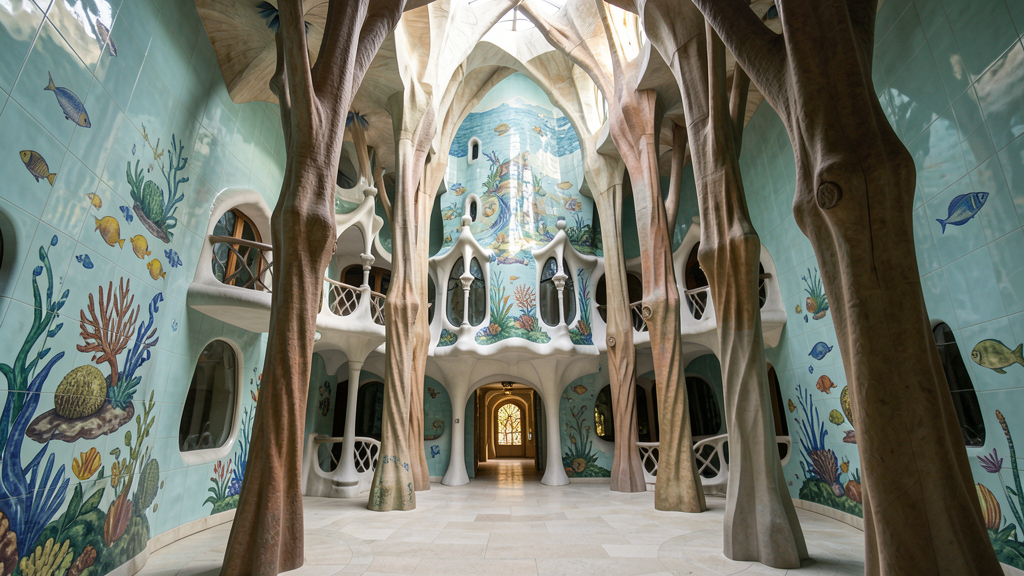
Every surface of Casa Batlló tells a story. The undulating facade mimics the movement of water, while the rooftop tells the legend of Saint George and the dragon. Inside, the central atrium rises like an underwater grotto, with light filtering through windows that seem to breathe with the Mediterranean breeze.

Explore Our Guides
Interior atrium of Casa Batlló with marine-inspired tile work

In-Depth Articles

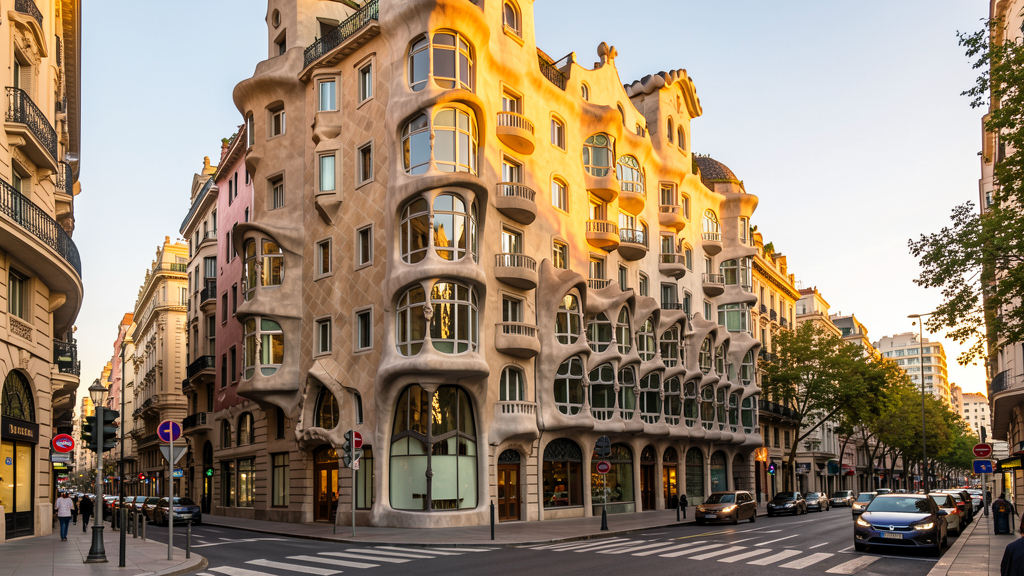
Casa Batlló on Passeig de Gràcia avenue

History & Origins

Built for textile magnate Josep Batlló, the house became Gaudí's canvas for a radical reinterpretation of modern living.

Josep Batlló i Casanellas commissioned the renovation of an existing building on Passeig de Gràcia in 1903, but Antoni Gaudí transformed the project into something far beyond a simple renovation. Working with his trusted collaborators Joan Rubió and Josep Maria Jujol, Gaudí reimagined the building from the ground up. The original building, constructed in 1875, stood in a row of elegant residential properties on Barcelona's most prestigious avenue. Batlló, a wealthy textile industrialist, wanted something extraordinary — and he got it. Gaudí stripped the building to its structural bones and rebuilt it as a living work of art. The result was a building that broke every convention of the time. Where other architects sought symmetry and regularity, Gaudí pursued organic forms drawn from nature. The facade references the ocean and marine life; the rooftop garden tells the Catalan legend of Saint George; the interior flows like a dream.
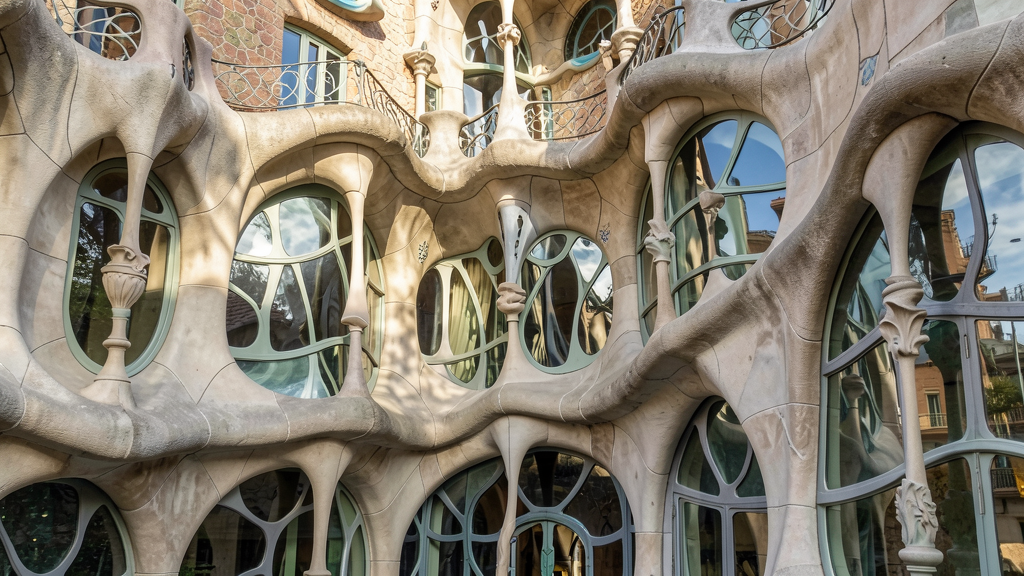
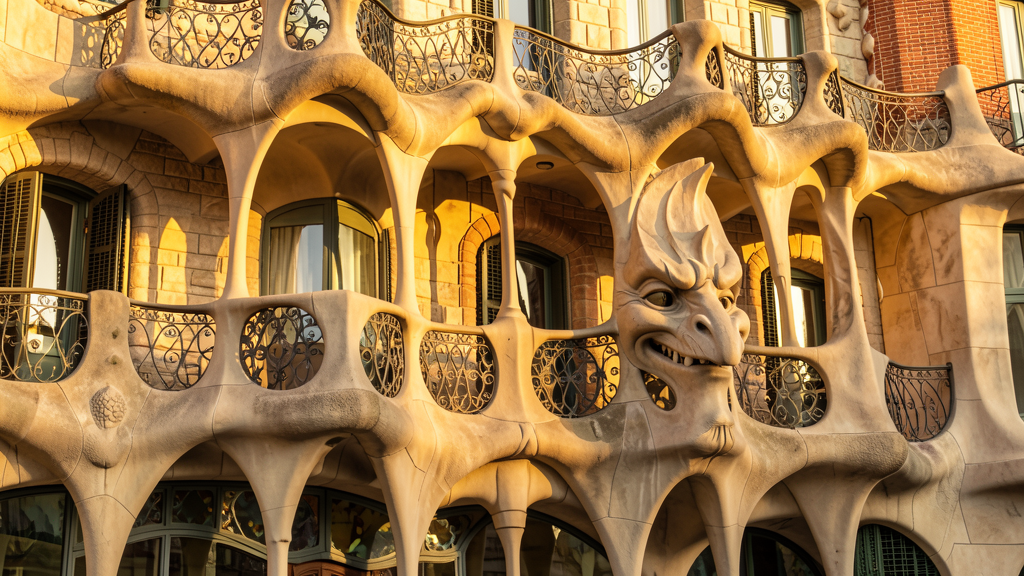
Gaudí organic architectural details in Casa Batlló

Architecture & Design

Gaudí's revolutionary approach to architecture drew from natural forms and materials, creating a building that feels alive.

Gaudí believed that straight lines did not exist in nature, and this conviction shaped every curve and surface of Casa Batlló. The building's facade appears to ripple like water when viewed in changing light. The stone seems to breathe. The ceramic tiles shift from deep blues to greens as you move through the interior spaces. The central courtyard is a masterclass in light management. Gaudí painted the walls in graduated tones of blue, lightest at the top and darkest at the bottom, creating an effect that mimics the depths of the sea. Light filters through 360-degree windows arranged like the scales of a fish.

The iconic bone-like balconies of Casa Batlló

The Bone Facade

The iconic facade draws its inspiration from the ocean, with balconies shaped like the masks of marine creatures.

The most striking element of Casa Batlló's exterior is the facade's organic, bone-like appearance. Gaudí removed the original straight walls and replaced them with undulating surfaces that seem to flow like water or shift like sand dunes shaped by the wind. The balconies, often called masks or skulls, resemble the jawbone of a whale or the face of a marine creature. Each balcony's wrought iron is uniquely shaped, resembling the intricate patterns of seaweed or coral. The stone columns at the base of the facade appear to be derived from the trunks of palm trees.

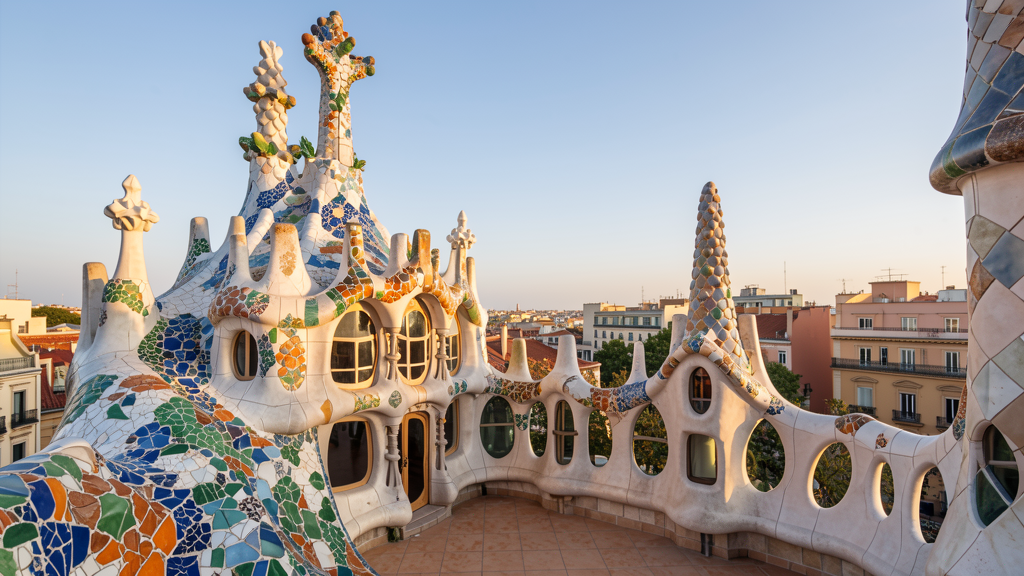
Casa Batlló rooftop terrace with dragon tower

The Dragon Rooftop

The rooftop terrace tells the legend of Saint George through sculptural forms covered in dazzling trencadís mosaic.

Perhaps the most photogenic element of Casa Batlló is its rooftop terrace, where Gaudí created a sculptural landscape inspired by the legend of Saint George, the patron saint of Catalonia. According to legend, Saint George slayed a dragon that was terrorizing the people of Barcelona. The tower rising from the rooftop represents the dragon's spine, its colorful scales created using the trencadís technique — small pieces of ceramic and glass applied in mosaic patterns. The cross at the top represents Saint George's sword. The surrounding spires and chimneys create a fantastical forest of organic forms.

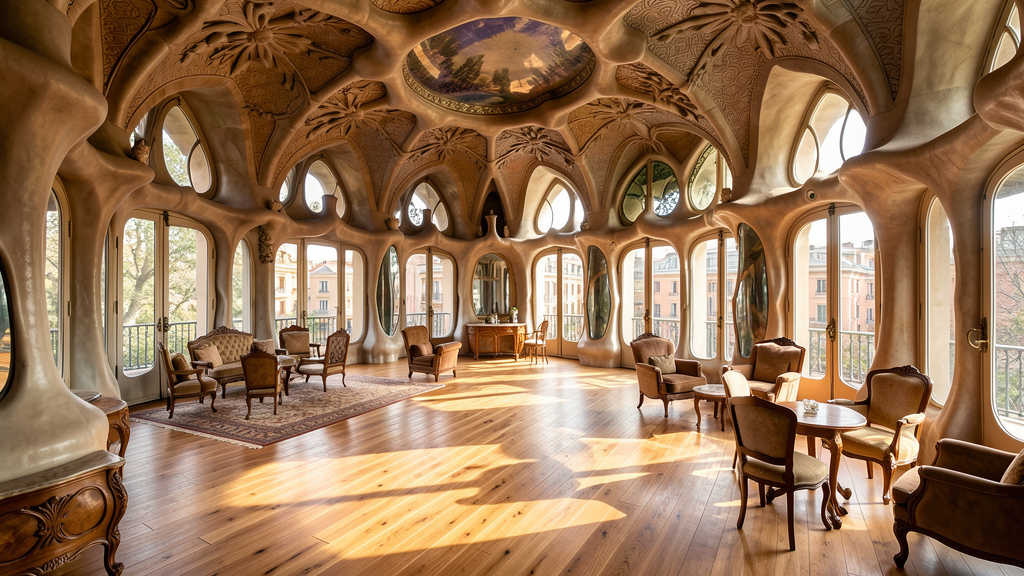
Noble floor of Casa Batlló with Gaudí furniture

Inside the Noble Floor

The original private residence features Gaudí-designed furniture, beautiful wooden floors, and extraordinary ceilings.

The noble floor, the main residence that occupied the first floor of the building, showcases Gaudí's complete vision for the project. Every element from the floor to the ceiling was designed to create a unified experience. The wooden floor uses a herringbone pattern that creates an ever-changing effect as light moves across it throughout the day. The ceilings feature organic shapes that seem to grow from the walls, their forms derived from natural structures like the underside of mushrooms or the ribs of a sea creature.

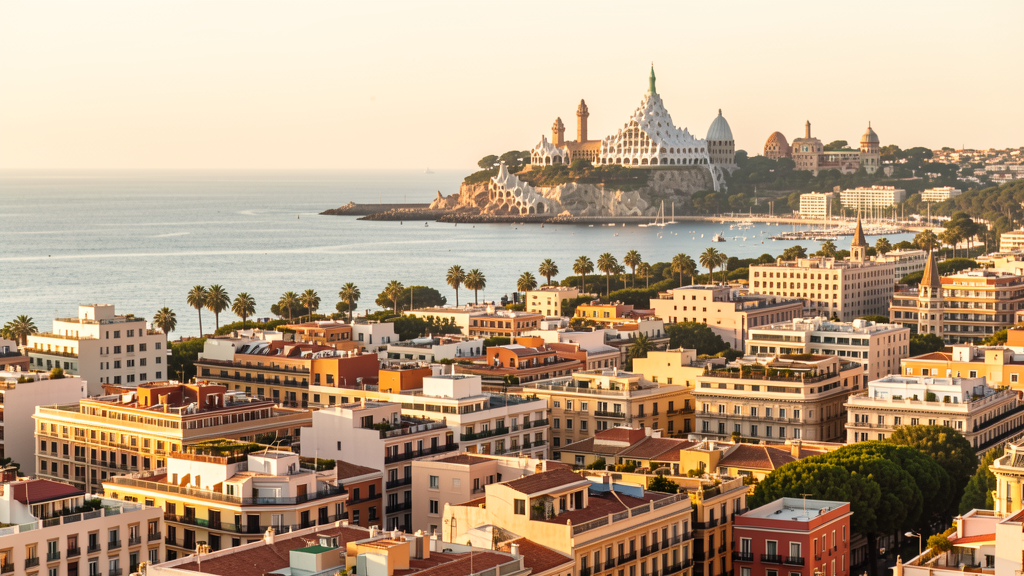
Barcelona skyline with Mediterranean sea

Tickets & Visitor Information

Everything you need to know about visiting Casa Batlló, from ticket types to the best time to arrive.

Casa Batlló offers several ticket options to suit different interests and budgets. The standard visit includes access to all floors of the building, including the iconic attic spaces and the rooftop terrace with its dragon tower. For those seeking a more immersive experience, the Legends Tour takes visitors through the building by lantern light, revealing hidden stories and details that are easy to miss during regular daytime visits. Nightly experiences offer an entirely different perspective on Gaudí's masterpiece. Tickets can be purchased online in advance to avoid the often lengthy queues that form on Passeig de Gràcia, especially during the summer months. Audio guides in multiple languages are included with standard tickets.

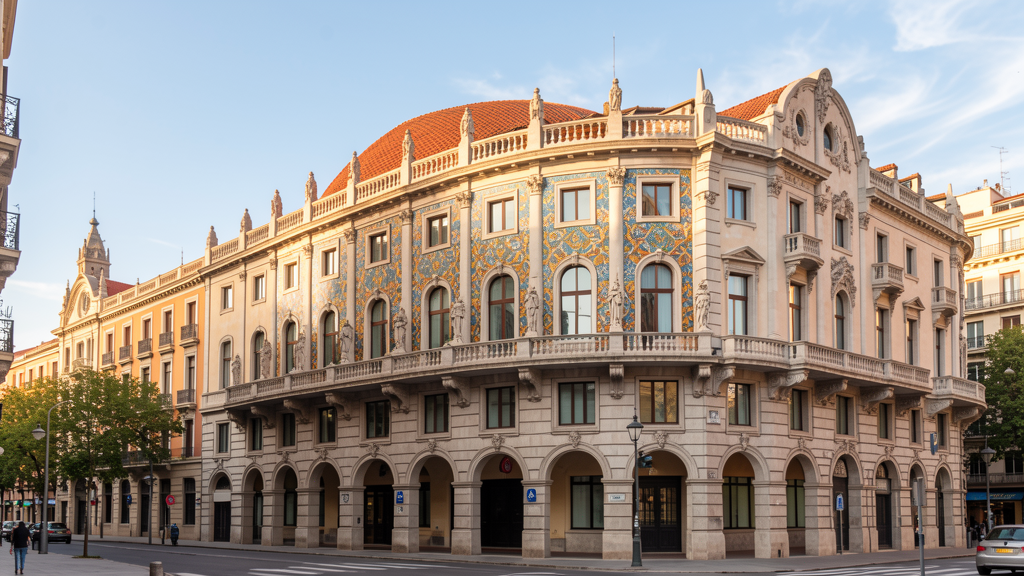
Palau de la Música Catalana modernist facade

Nearby Attractions

Make the most of your visit with these outstanding architectural and cultural sites within walking distance.

Casa Batlló sits on Barcelona's most elegant avenue, Passeig de Gràcia, which is itself a showcase of modernist architecture. Just a short walk in either direction, you'll find other Gaudí masterpieces including Casa Amatller and Casa Lleó Morera, both within the Illa de la Concòrdia block. Further along, the Palau de la Música Catalana, a UNESCO World Heritage Site designed by Lluís Domènech i Montaner, offers one of the most extraordinary concert hall interiors in the world. The Gothic Quarter, with its medieval streets and Barcelona Cathedral, is a 15-minute walk from Passeig de Gràcia.

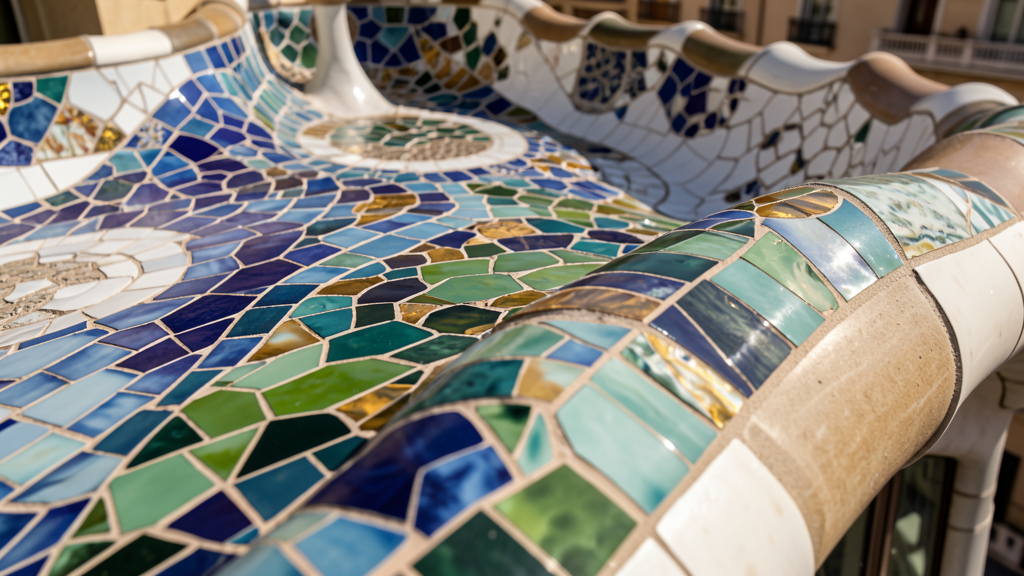
Close-up of trencadís mosaic detail on Casa Batlló

Photography Guide

Tips for capturing the best images of Casa Batlló, from the facade to the rooftop terrace.

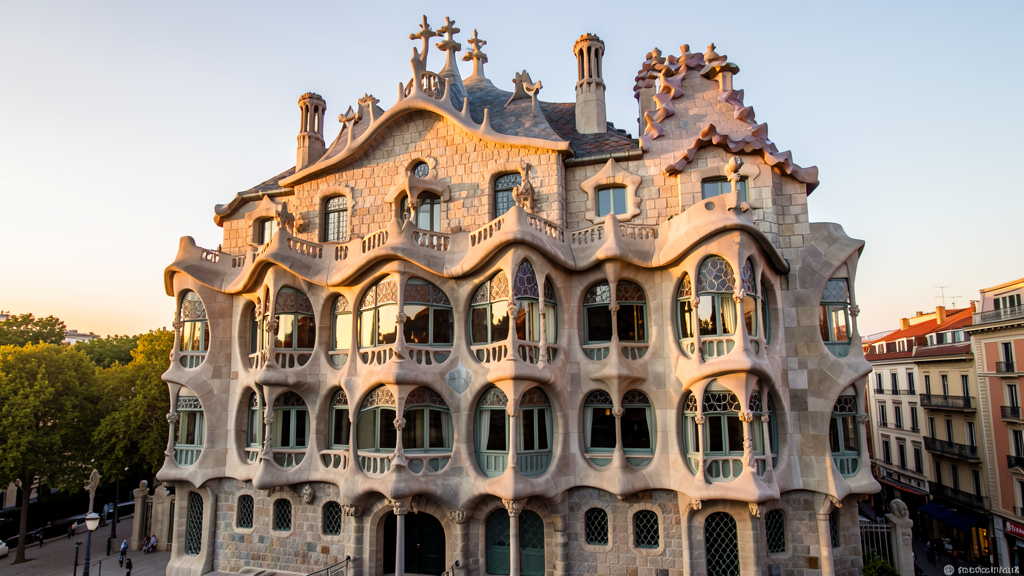
Photography is permitted throughout most of Casa Batlló without flash. The building offers extraordinary photographic opportunities in every direction, but some spots are more challenging and rewarding than others. The facade of Casa Batlló is best photographed during the golden hour in late afternoon, when the warm Mediterranean light brings out the textures and colors of the stone and ceramic. The central atrium is stunning from any angle, but the view looking up toward the skylight from the ground floor offers the most dramatic perspective.

Casa Batlló facade in golden hour light

Visitor Tips & Advice

Maximize your visit with practical advice from experienced travelers and architectural enthusiasts.

Visiting Casa Batlló requires some advance planning to make the most of your time. The building is one of Barcelona's most popular attractions, and queues can be substantial during peak season from June through September. The best strategy is to book your tickets online for a specific time slot, ideally early in the morning or late in the afternoon. This guarantees entry and allows you to skip the often lengthy walk-up queue. Allow at least two hours to explore the building thoroughly, including the rooftop terrace and the basement archaeological area.

Barcelona cityscape with Mediterranean atmosphere

Best Time to Visit

How the seasons affect your Casa Batlló experience, from crowd levels to photography conditions.

Each season in Barcelona brings a different quality to the Casa Batlló experience. Spring (March to May) offers comfortable temperatures and beautiful light, though Easter week draws larger crowds. Summer is peak season with the longest opening hours, but midday visits can be uncomfortably hot and queues are longest — book well in advance. Autumn (September to November) often provides the best balance of pleasant temperatures, thinner crowds, and gorgeous golden light that makes the facade glow. Winter sees the lowest visitor numbers, creating a more intimate experience of the interior spaces. The shorter days mean earlier closing times, but the cozy winter atmosphere inside the building is genuinely magical.

Visitor Tips

Book Online

Skip the long queues by purchasing timed-entry tickets in advance. Early morning slots offer the most peaceful experience.

Allow Two Hours

The building has multiple levels and hidden corners. Rushing means missing the details that make it extraordinary.

Rooftop First

Start at the rooftop terrace when you enter — it tends to get crowded later in the day.

Audio Guide Included

Standard tickets include a high-quality audio guide in multiple languages. Use it to understand the stories behind every detail.

Evening Visits

Nighttime experiences reveal a completely different atmosphere as Gaudí's lighting transforms the interior.

Combine Nearby

Casa Amatller and Casa Lleó Morera are on the same block — visit multiple modernist buildings in one afternoon.

Seasonal Guide

Spring
March to May
Comfortable temperatures for walking. Perfect for photography. Easter week draws larger crowds. Longer days allow evening visits.
Summer
June to August
Peak tourist season. Longest opening hours. Book tickets 2+ weeks ahead. Hot midday — visit early or late.
Autumn
September to November
Pleasant temperatures return. September offers fewer crowds. Beautiful golden light for photos. Excellent for rooftop visits.
Winter
December to February
Lowest visitor numbers. Cozy interior atmosphere. Shortest opening hours. Best for last-minute visits.

Frequently Asked Questions

Most visitors spend between 1.5 and 2.5 hours exploring Casa Batlló. The visit is self-guided with an audio guide included, so you can move at your own pace.
Photography without flash is permitted throughout the building. Some temporary exhibitions may have restrictions — look for signage at those locations.
The building has elevator access to all floors and accessible restrooms. Some historical features like the narrow staircase from the noble floor to the attic are not accessible by elevator, but the main visitor route is fully accessible.
No, entry to Casa Batlló is single-use. Once you exit, you cannot re-enter with the same ticket. Plan accordingly and take your time inside.
The building has a café on the ground floor with light snacks and beverages. For a full meal, the surrounding Gràcia neighborhood has excellent options within a short walk.